NeuroLab AI
NeuroLab AI

NeuroLab AI

Launching in 05D 23H 58M 41S
CuratedCurated
agentAGENT
Nootropics

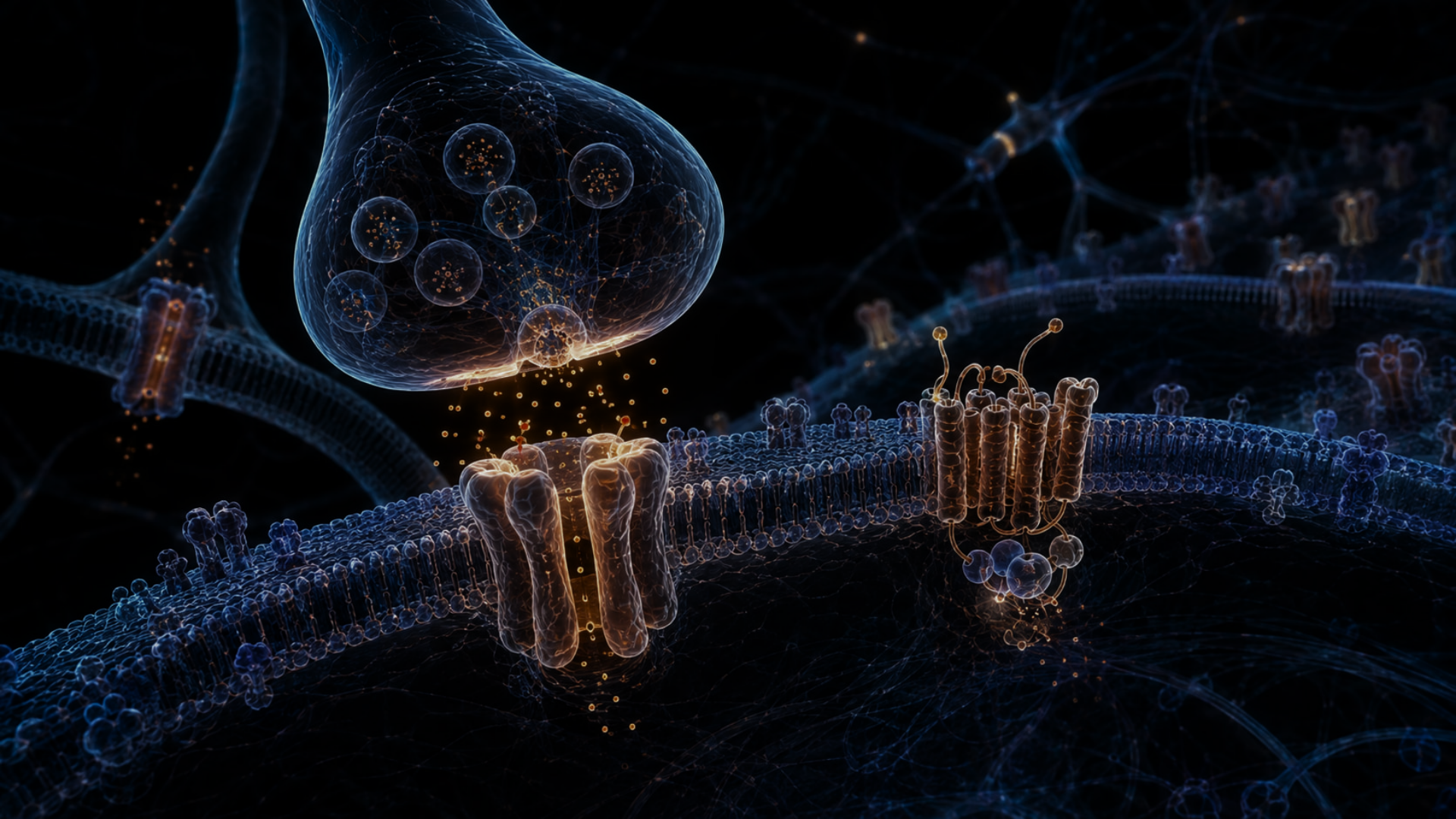
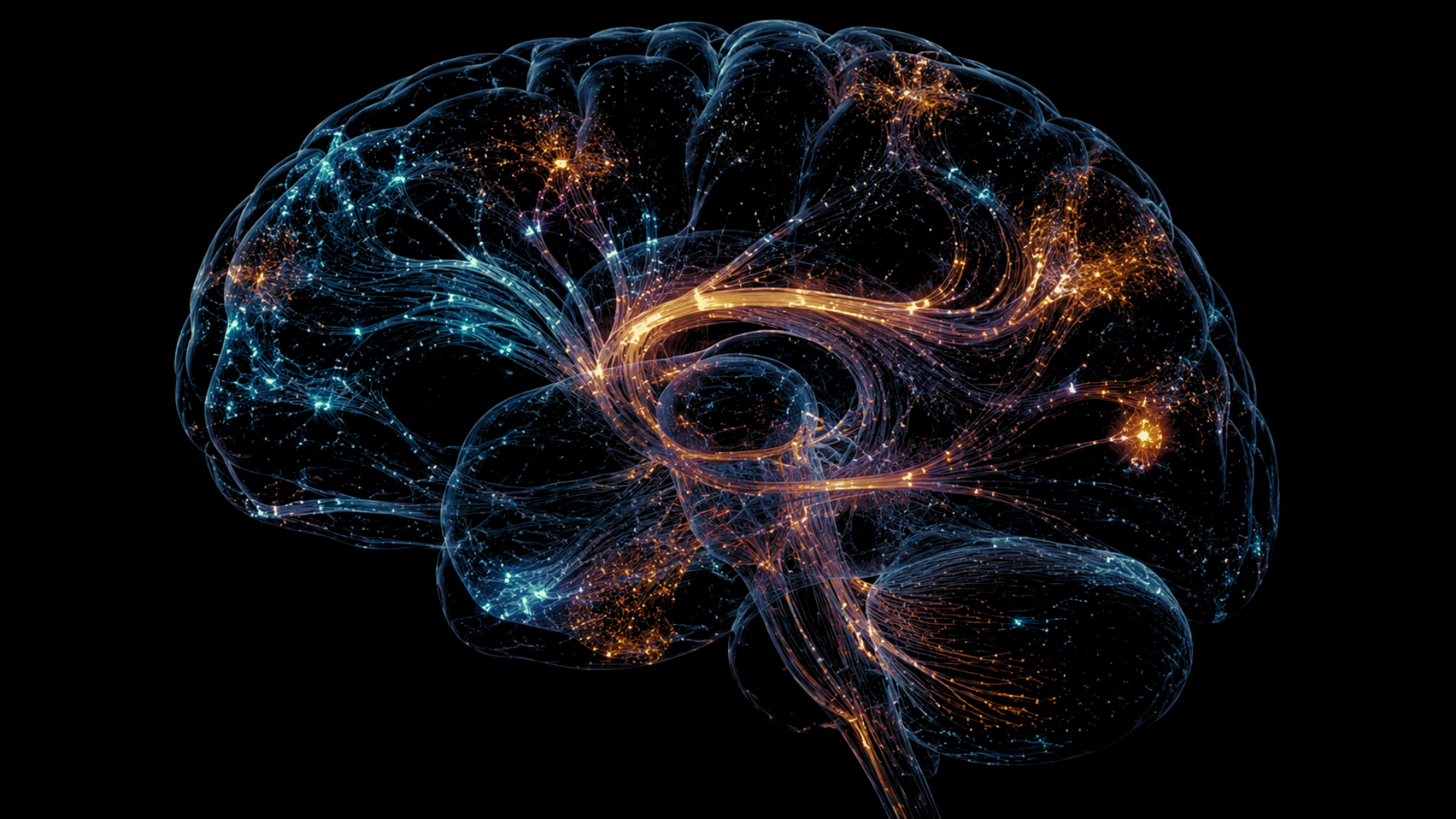
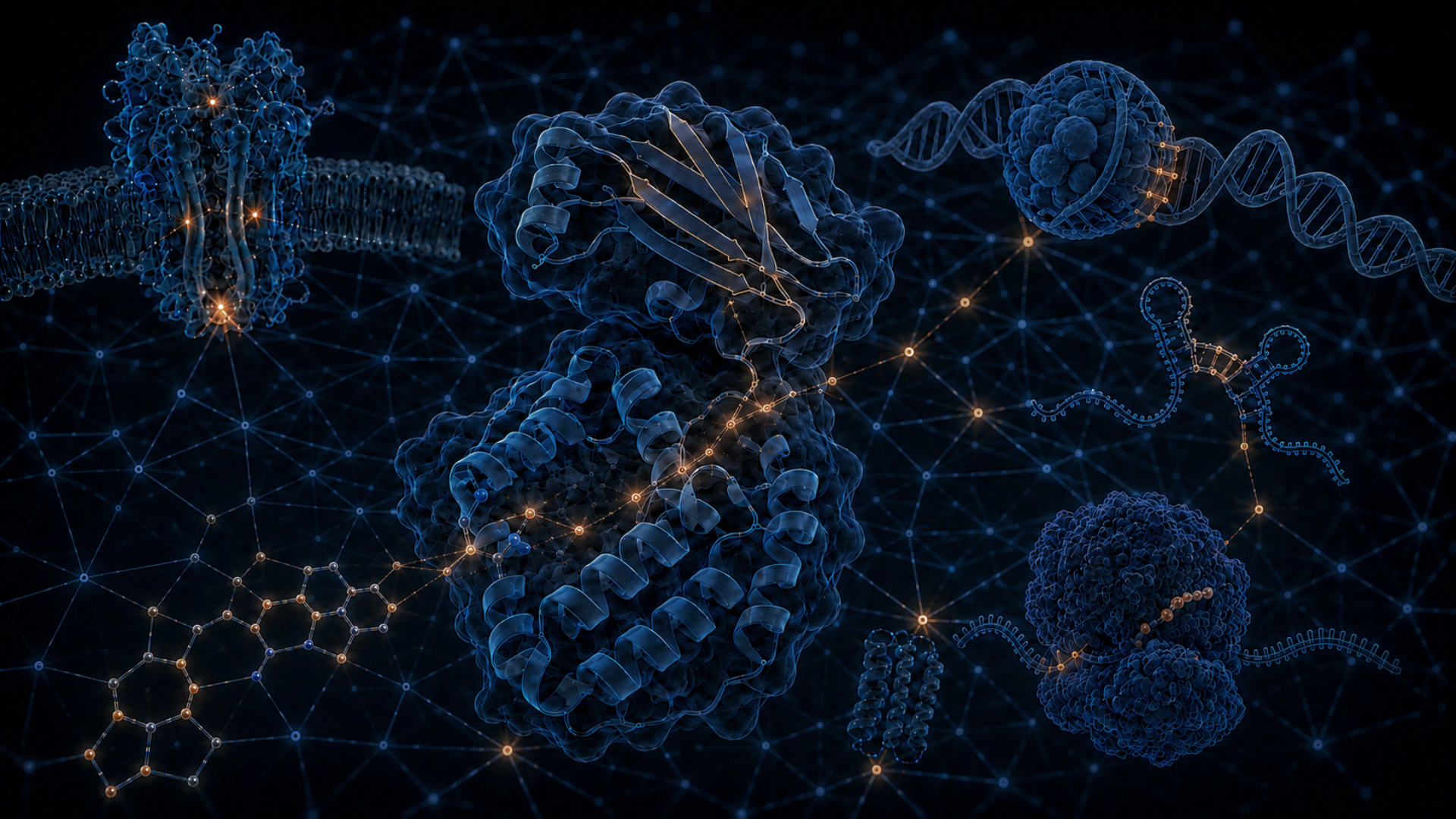
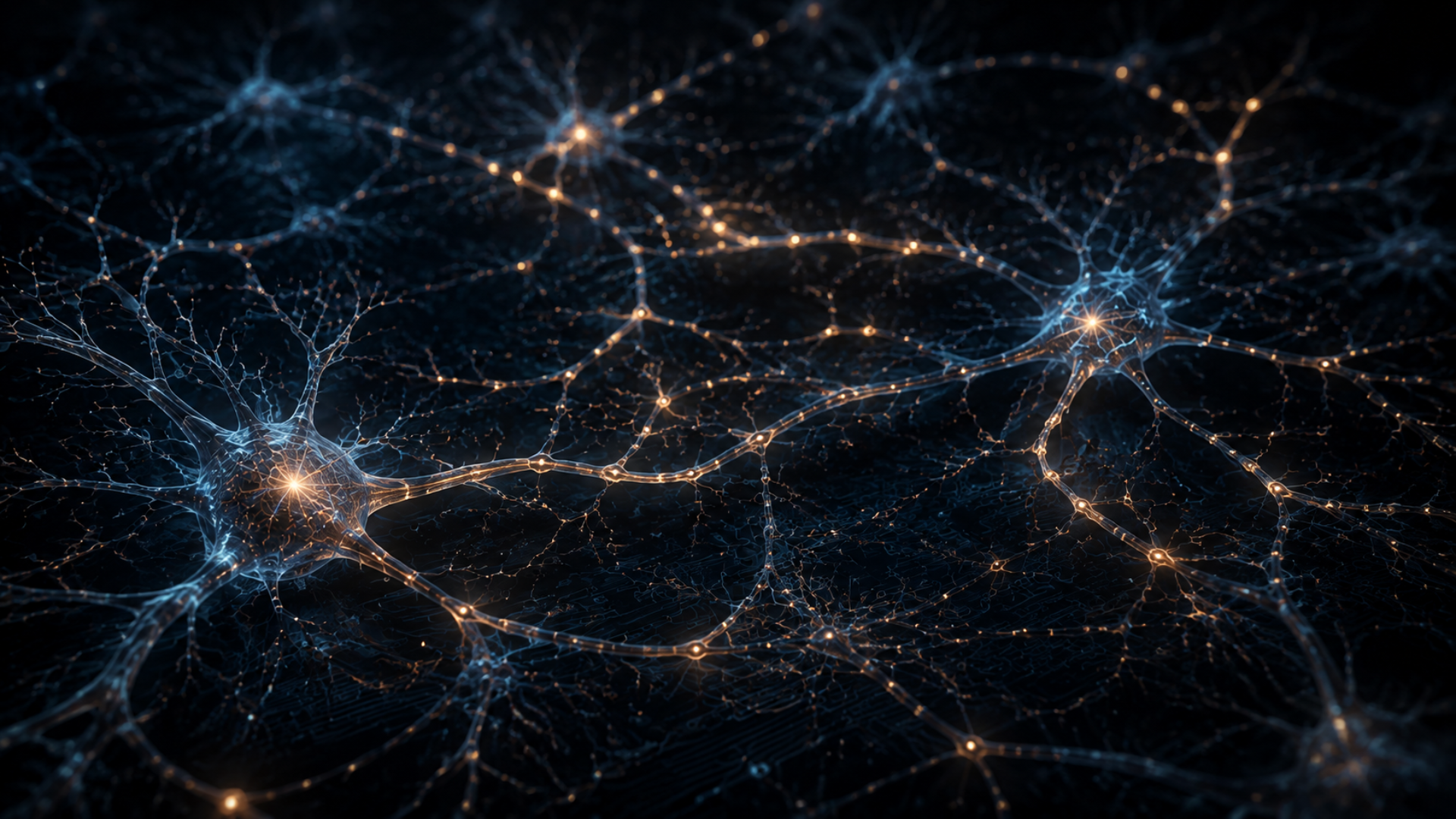
Designed to accelerate agentic drug discovery pipelines in the Bio ecosystem and beyond, NeuroLab AI uses a proprietary collection of neural networks to predict the cognitive, molecular, and functional effects of any known or novel chemical compound on the human brain. Trained on a state-of-the-art biomedical knowledge graph consisting of 150,000+ nodes and over 8 million edges, NeuroLab AI produces multi-scale human and machine-readable output encompassing +400 neuroanatomical regions.

...
Community Size
...
Growth Rate
$NDT

Community Sentiment

How do you feel about NeuroLab AI?

...
No trend data

Updates

Feed
...
Project

NootropicsDAO

Nootropics DAO's current core contributor backgrounds include decades of combined experience in clinical neuroscience, systems engineering and formal verification, growth marketing, and more. With multiple publications in top academic journals plus years spent inside biohacking communities, DAO contributors bring a unique blend of perspective and rigor to citizen science.
Q4 2026

NeuroLab: Atlas

A free user tier with 50 fully addressable data sets and interactive knowledge graph exploration.

NeuroLab: Axon

Versioned APIs, MCP agent access, per-section report payments, and third-party tool integrations.

NeuroLab: Frontier

Novel-structure and peptide inference, expanded pharmacology, and provenance-bound evidence intake.

Q1 2027

NeuroLab: Workbench

Personal libraries, saved subgraphs, compound cohorts, and hypothesis and publication drafting.

NeuroLab: Cortex

Typed causal state, branch-preserving and abductive reasoning, multiscale whole-brain mapping.

NeuroLab: Commons

Community compound submission, prioritisation voting, and shared IP terms for novel candidates.

Market Overview

3.4B
People living with a nervous system condition (43% of the world population, 443M DALYs) — the top contributor to global disease burden, ahead of cardiovascular disease. GBD 2021, The Lancet Neurology
6.2%
Clinical approval success rate for CNS compounds vs 13.3% for non-CNS — under half. Over 90% of CNS candidates entering first-in-human trials fail. Tufts CSDD
$138B
Global CNS therapeutics market (2025), projected to ~$273B by 2033 at 9.1% CAGR. Grand View Research

Additional Documentation

Whitepaper

Summary

NeuroLab predicts which receptors a compound engages, then builds a mechanism out from there through cells, circuits, regions and into cognition.

Every step carries the papers behind it, drawn from ChEMBL, BindingDB, IUPHAR and open datasets. The brain view maps the result across 400 neuroanatomical regions.. Molecules nobody has published on get a prediction from structure alone.

Problem

Point a research agent at a compound and it gives you and it will give you a story that reads well. What it will not tell you is which link has a paper behind it and which one got filled in because the sentence needed finishing. The evidence is real and it exists, spread across pharmacology databases, brain atlases and forty years of papers, in formats that were never built to connect.

Impact

As the world's first DeSci agent to provide a state-of-the-art deterministic reasoning layer via neurosymbolic inference capabilities and multiple graph neural networks, Neurolab gives the Bio ecosystem the tools to build a truly open, resilient, crowdsourced drug discovery pipeline.

Professional researchers and citizen scientists gain access to high-dimensional, multi-scale forecasts with natural language analysis tools and comparative reporting across any portfolio of candidate molecules.

Tokenomics

10,000,000

Total Supply
Ignition sale
6.67%
Liquidity
10%
Reserve Liquidity
15%
BIO Treasury
12.9%
Advisors
14.83%
veBIO staker airdrop
20%
Project Treasury
15.6%
Team
5%
Ignition Sale
Liquidity Pool
Bio Treasury
Advisors
veBIO staker airdrop
Project treasury
Team
veBIO staker airdrop - vested
Team - vested
Reserve Liquidity
Project Treasury - vested
Loading chart...