
SpineDAO
Revolutionizing spine care for millions worldwide. By leveraging blockchain, AI, and collaborative decentralized science, SpineDAO creates an open platform for optimizing surgical decisions, improving patient outcomes, and democratizing access to spine knowledge.
500M+ people suffer from spine-related conditions, making them one of the leading causes of disability and lost productivity across the globe.
$14 Billion
Estimated spine care market by 2031
500 Million+
People worldwide suffering from spine-related conditions
<$90 Million
NIH Budget for degenerative spine disease research between 2011 and 2021
Project
Additional Documentation
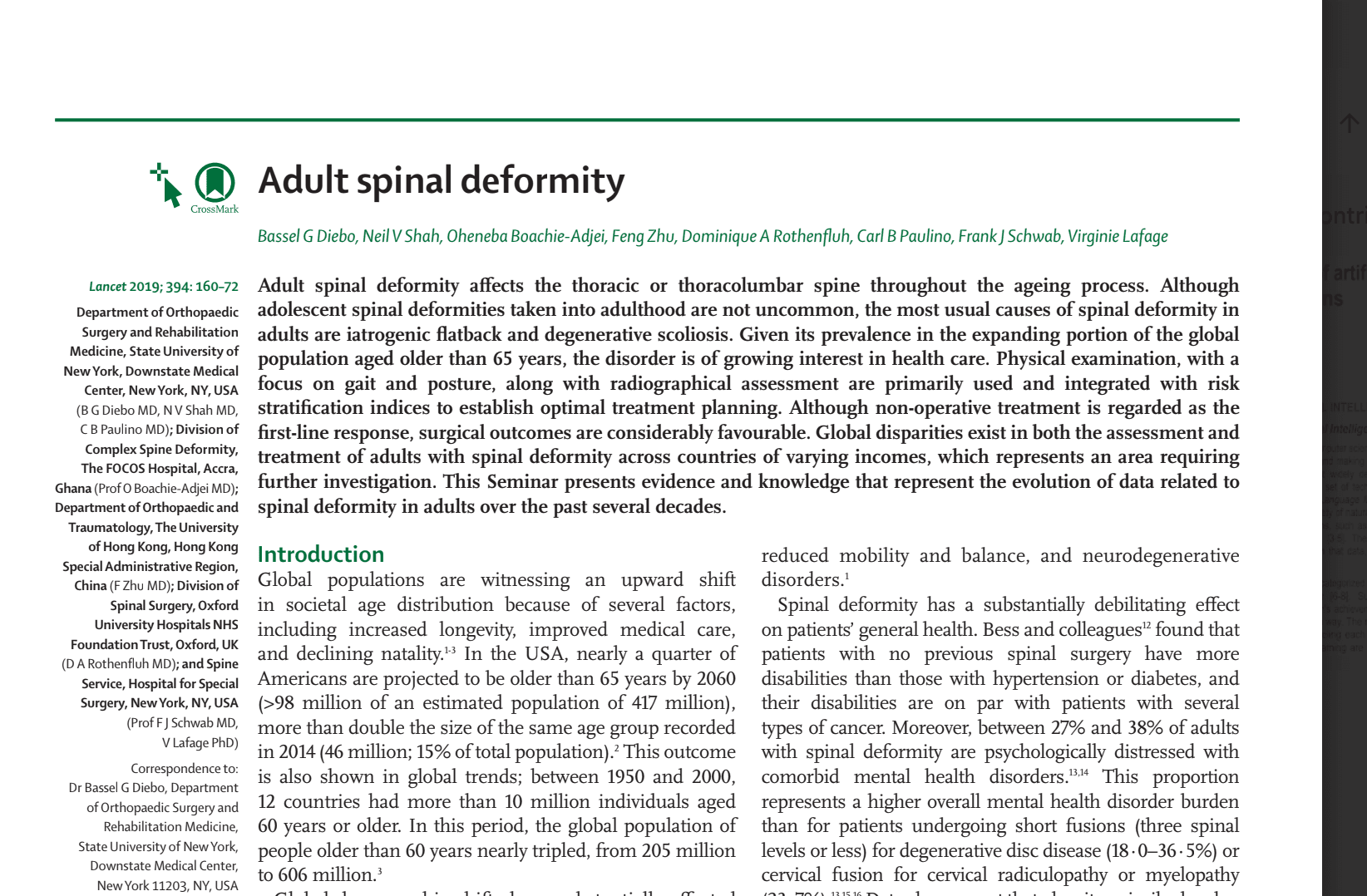
Spine care remains one of the most challenging and resource-intensive fields in modern healthcare. Spinal disorders, including degenerative diseases, deformities, trauma, and chronic back pain, represent a significant burden on healthcare systems worldwide. According to global health reports, over 540 million people suffer from spine-related conditions. The prevalence of conditions like osteoporosis, arthritis, herniated discs, and scoliosis is increasing due to aging populations, sedentary lifestyles and rising obesity rates.
Despite advancements in medical technologies and surgical techniques, spine care faces systemic inefficiencies that hinder optimal outcomes. These challenges include poor patient triage, inconsistent surgical strategies, fragmented post-operative follow-ups, and limited access to shared scientific knowledge. Furthermore, the siloed nature of healthcare data limits the potential of AI and machine learning algorithms to deliver impactful insights. This fragmented approach not only delays treatment but also results in significant financial and emotional costs for patients.
SpineDAO emerges as a decentralized science (DeSci) initiative designed to address the critical pain points in spine care. By leveraging decentralized technologies, AI, and a collaborative ecosystem of surgeons, researchers and patients, SpineDAO aims to create scalable, transparent, and efficient spinal solutions. Through its decentralized model, SpineDAO empowers stakeholders across the healthcare value chain to contribute, share, and benefit from data-driven innovations.


Updates
Stay up to date
Get the latest community updates and find out about upcoming SpineDAO developments